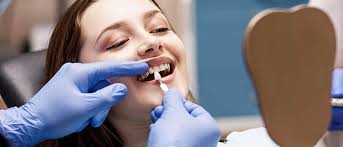
The Connection Between Genetics and Oral Health
When it comes to our health, we often think about lifestyle factors such as diet, exercise, and hygiene. While these play a significant role in our well-being, genetics also play a crucial part in determining our susceptibility to various health conditions, including oral health issues. Understanding the connection between genetics and oral health with help of dentist near me can help us take proactive steps to maintain a healthy smile.
- Tooth Structure and Shape
Our genes influence the size and shape of our teeth. Some people may have naturally straight teeth, while others are more prone to misalignment. The size of your teeth, their arrangement, and even the presence of extra teeth (supernumerary teeth) are influenced by genetic factors. This is why some individuals may require braces or orthodontic treatment to correct tooth alignment, while others have naturally straight teeth.
- Tooth Enamel Strength
Tooth enamel is the protective outer layer of our teeth. It serves as a barrier against tooth decay and erosion. Genetic variations can affect the strength and thickness of tooth enamel. Weaker enamel may make individuals more susceptible to cavities and tooth sensitivity. While genetics play a role in enamel strength, maintaining good oral hygiene practices can help mitigate these risks.
- Susceptibility to Gum Disease
The risk of developing gum disease, such as periodontitis, is influenced by genetic factors. Some people have genetic variations that make them more prone to inflammation and gum tissue damage when exposed to bacteria. However, even with a genetic predisposition, practicing good oral hygiene, including regular dental check-ups and cleanings, can help manage and prevent gum disease.
- Saliva Composition
Saliva plays a crucial role in oral health by helping to cleanse the mouth, neutralize acids, and strengthen tooth enamel. Genetic factors can affect the composition of saliva, potentially influencing an individual’s susceptibility to cavities and other oral health issues. Those with less effective saliva may be at a higher risk, but this can often be managed with good oral care practices.
Dushane Dental Arts
9201 Sunset Blvd #416, West Hollywood, CA, 90069
(310) 739-1113
- Taste Sensitivity
Genetics can also impact an individual’s sensitivity to certain tastes, which can influence dietary choices. For instance, some people may be more sensitive to the bitter taste of certain vegetables or a sweet tooth, which can affect their food choices. Diet is a significant factor in oral health, and genetic factors can indirectly impact oral health through dietary preferences.
- Oral Cancer Risk
Certain genetic factors can increase an individual’s susceptibility to oral cancer. While genetics alone are not the sole cause of oral cancer, individuals with a family history of the disease may have a higher risk. Regular dental check-ups, early detection, and lifestyle choices such as avoiding tobacco and excessive alcohol consumption are crucial for mitigating this risk.
While genetics do play a role in oral health, they are just one piece of the puzzle. Lifestyle choices and good oral hygiene practices are equally, if not more, important in maintaining optimal oral health. Understanding your genetic predispositions can help you take proactive steps to address potential oral health issues. Regular dental check-ups, a balanced diet, proper oral hygiene, and avoiding risk factors like smoking and excessive alcohol consumption are key to ensuring a healthy smile, regardless of your genetic makeup.