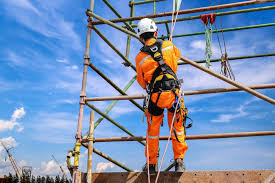
Working at height is an essential part of many industries, including construction, maintenance, and rescue operations. It involves tasks performed in elevated positions, such as working on a roof, climbing ladders, or operating machinery at heights. While these jobs play a crucial role in various sectors, they also come with significant risks and hazards that need to be carefully managed to ensure the safety of workers. This article will delve into the importance of working safely at height and provide an overview of the necessary precautions and regulations that employers and employees must adhere to.
Working at height poses numerous potential risks, such as falls, struck by falling objects, and exposure to hazardous substances or environments. These accidents can result in severe injuries or even fatalities, making it crucial for employers to prioritize safety measures and for workers to follow proper protocols. This article aims to highlight key safety practices, including the use of protective equipment like harnesses and helmets, regular inspection of equipment, and thorough risk assessments. It will also explore the legal obligations that employers have in terms of providing training, maintaining safe working conditions, and implementing emergency procedures. By understanding and implementing these measures, both employers and employees can create a secure working environment, ultimately reducing accidents and ensuring the well-being of all workers involved.
Importance of Following Safety Rules When Working at Height
Working at height can be dangerous if proper safety measures are not followed. Falls from height are one of the leading causes of workplace injuries and fatalities. To prevent accidents and protect workers, it is essential to follow three simple rules:
- Use appropriate fall protection equipment: Workers should be equipped with the necessary safety gear, such as harnesses, lanyards, and helmets. These devices can help prevent falls or minimize their impact.
- Ensure proper training and supervision: Workers should receive comprehensive training on working at height, including how to use safety equipment correctly. They should also be supervised by experienced individuals who can monitor their actions and provide guidance.
- Maintain a clean and organized work environment: Cluttered or unsecured tools and materials can increase the risk of accidents. Keeping the work area tidy and organized can significantly reduce the likelihood of falls and other hazards.
By following these three rules and adopting a safety-first mindset, workers can minimize the risks associated with working at height and create a safer working environment for themselves and others. Click here to learn more about the importance of these rules and additional safety measures,
In conclusion, working at height carries inherent risks that must be carefully managed to ensure the safety of workers. Falls, falling objects, and exposure to hazardous substances are just a few of the potential dangers that can lead to severe injuries or even fatalities. Employers have a legal obligation to prioritize safety and provide the necessary training, equipment, and supervision for their workers. By using appropriate fall protection equipment, ensuring proper training and supervision, and maintaining a clean work environment, the risks associated with working at height can be significantly reduced. By following these safety rules and adopting a safety-first mindset, workers can create a secure working environment and minimize the likelihood of accidents and injuries.